opinion
Why I Finally Switched to Linux
After years of macOS and a brief Windows detour, I moved my daily driver to Linux. Here's what pushed me over the edge and what I had to give up.
I used macOS for seven years. I knew the keyboard shortcuts, the quirks, the good parts. Then sometime last year, I realized I was spending more time working around my operating system than working with it. That frustration, building slowly over a long time, is what finally pushed me to try Linux as a daily driver. Six months in, I haven’t looked back — but it wasn’t painless, and I want to be honest about both sides.
What Finally Broke Me on macOS
The final straw wasn’t dramatic. It was a routine macOS update that silently changed system font rendering, broke a key keyboard shortcut in my terminal workflow, and introduced a new “feature” I had never asked for and couldn’t fully disable. That last part is what got me: the growing feeling that I was renting my computer from Apple rather than owning it.
The memory pressure model had also started to frustrate me. My M2 MacBook Air with 16 GB of unified memory would routinely throttle under a workload that felt moderate — multiple browser windows, a local dev server, and a video call. Activity Monitor would show abundant free memory while the system swapped. I know the technical reasoning. It still annoyed me daily.
There was also the matter of cost. Apple hardware is excellent, but the upgrade path is brutal. No upgradeable RAM, no replaceable storage, and a price ceiling that keeps climbing.
Choosing a Distribution
I tried three distributions before settling. Here’s the honest version:
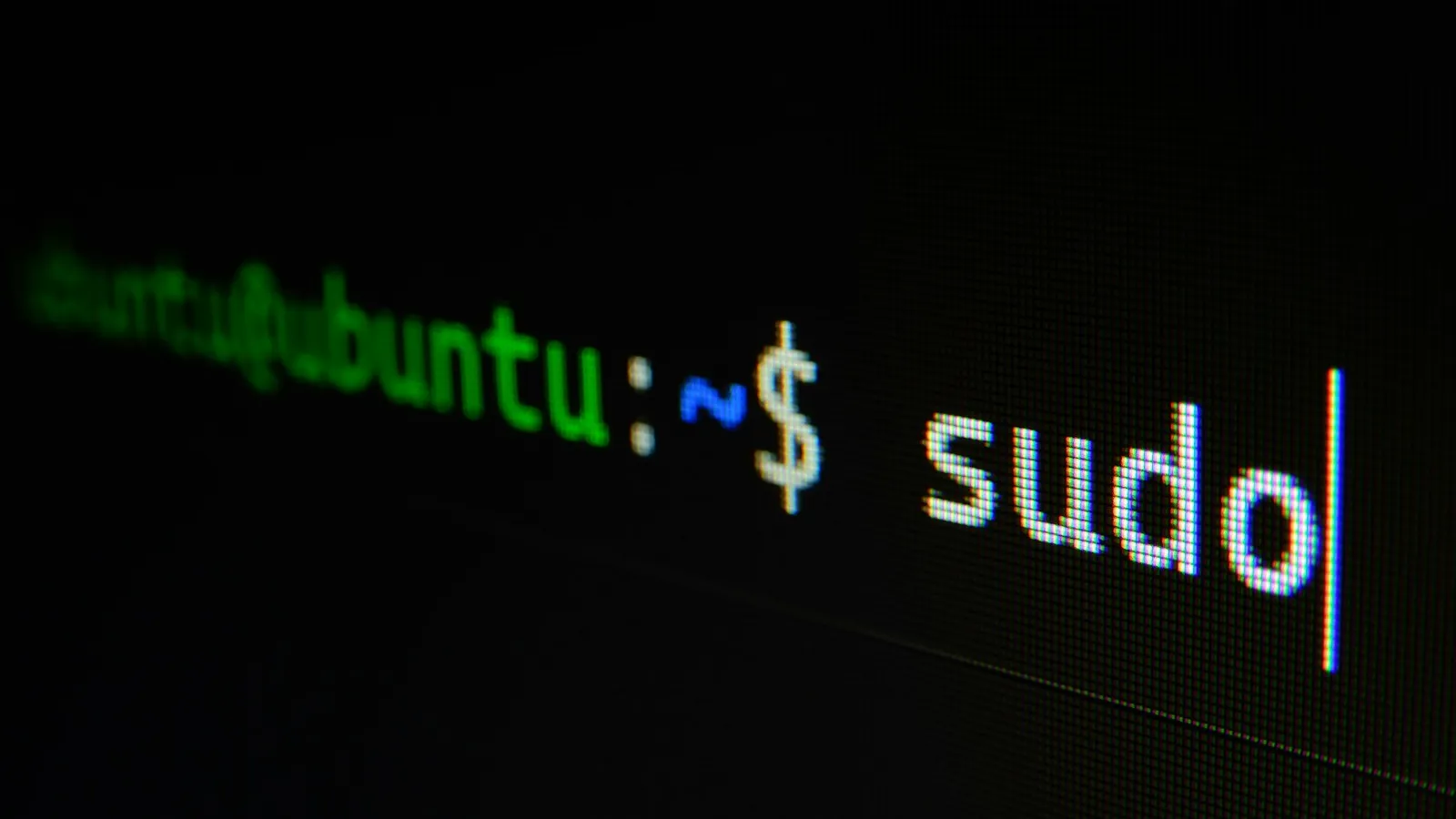
- Arch Linux — installed it on a spare laptop to learn the fundamentals. The installation process taught me more about how Linux works than a year of casual macOS use. I don’t regret it, but I also don’t recommend it as a starting point for anyone with deadlines.
- Ubuntu — fine, stable, well-supported. Felt too conservative. The snap package situation and the insistence on pushing proprietary software integrations bothered me more than I expected.
- Fedora (Workstation) — this is where I landed. Cutting-edge packages, clean GNOME desktop, excellent hardware support out of the box, and a philosophy that aligns with how I want to use software.
Fedora 41 recognized my ThinkPad’s hardware completely on first boot, including the fingerprint reader. That alone was a better experience than I expected.
Configuring the Workflow
The time investment comes at setup. I spent roughly a weekend getting my environment dialed in: Neovim with my existing config, Zsh with my dotfiles, Podman for containers, Flatpak for GUI apps. Once it was done, it was genuinely done. No OS update has touched my configuration since.
What I Had to Give Up
I want to be direct about the trade-offs, because no honest review of Linux skips them.
Gaming took a hit. Most of my Steam library runs on Proton, and many titles run surprisingly well — often close to native Windows performance. But a handful of games I cared about either don’t work at all or require more troubleshooting than I want to spend on entertainment. If gaming is central to how you use your computer, Linux is still a compromise.
Adobe software is simply not available. I’ve migrated to Affinity on the rare occasions I need photo or layout work, and the web version of Figma handles most design tasks. But if your work depends on Premiere, After Effects, or Lightroom, Linux will cost you significantly in workflow adaptation time.
FaceTime, iMessage on desktop, and AirDrop are gone. I’ve replaced them with Signal and Syncthing respectively, and I don’t miss them as much as I thought I would.
Six Months Later
My terminal is faster. My development environment is cleaner. My system does exactly what I tell it to do and nothing else. I update on my schedule, not Apple’s. And I’m running this on a ThinkPad X1 Carbon that cost significantly less than a comparable MacBook Pro.
Linux isn’t for everyone — and I’m not here to evangelize. But if you’re a developer who lives in a terminal, finds macOS increasingly paternalistic, and doesn’t need a specific locked-in software stack, it’s worth a serious look. The barrier to entry has never been lower.
Read Next
View Archive →
Mechanical Keyboard Switches: A No-Nonsense Guide
Linear, tactile, or clicky — choosing the wrong switch ruins the experience. Here's how to pick the right one for typing, gaming, and everything in between.
Building a Home Lab on a Budget
Build a capable home lab for under $300 — private cloud storage, VPN, media server, and more. A practical guide to hardware, setup, and what to actually run.