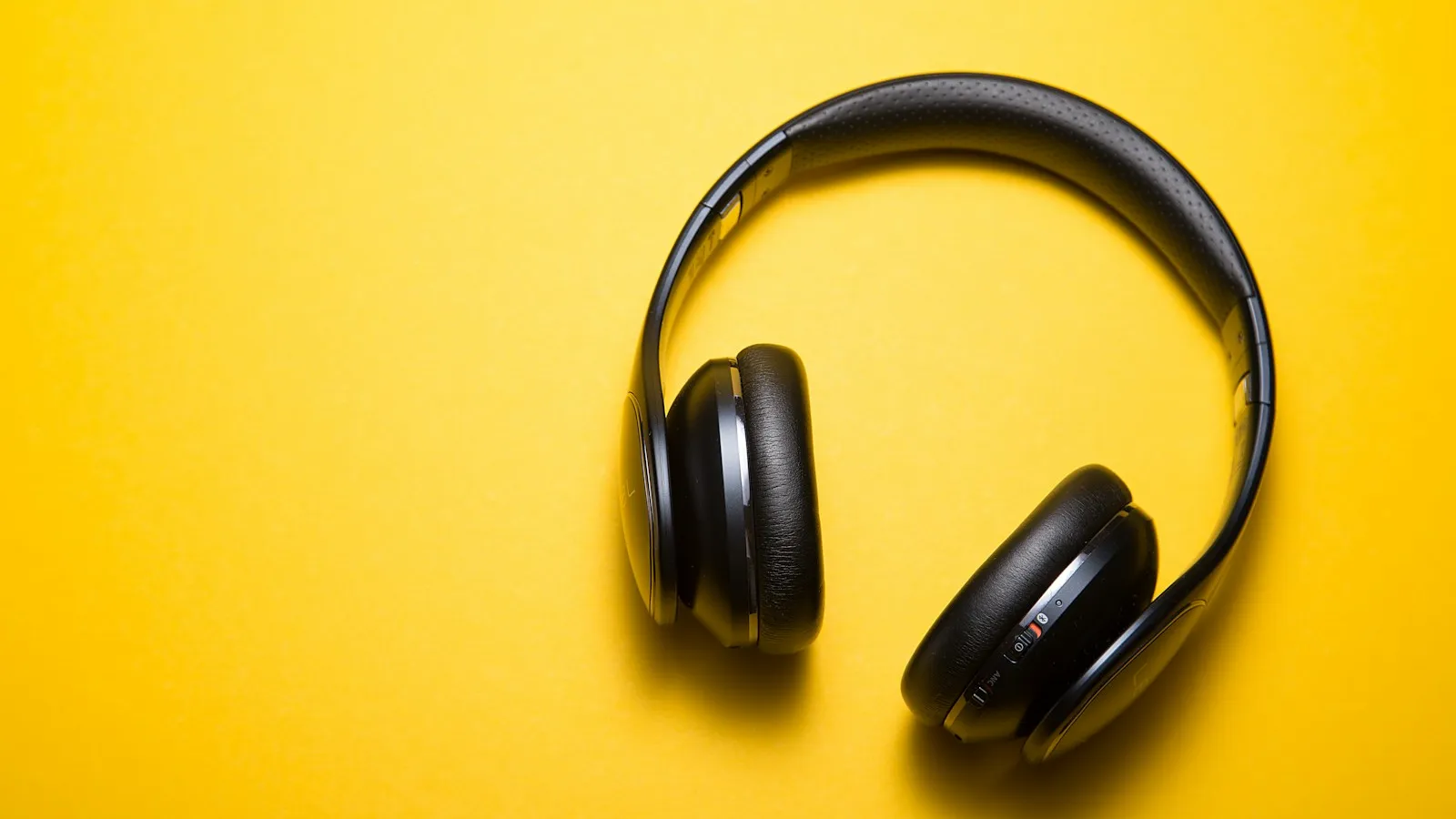
review
ANC Headphones That Actually Work
Tested across offices, planes, and coffee shops — a real-world breakdown of active noise cancellation headphones worth buying in 2026.
Active noise cancellation is one of those features that sounds magical in a product listing and disappoints in real life — unless you buy the right pair. I spent several weeks testing the top contenders across a noisy open-plan office, a transatlantic flight, and the perpetual hum of a city apartment. Here’s what I found.
How ANC Actually Works
ANC headphones use small microphones on the outside of the ear cups to sample ambient sound. The onboard processor generates an inverted waveform — a precise audio “anti-signal” — that cancels the incoming noise before it reaches your ears. The whole cycle happens in microseconds.
That physics lesson matters for a practical reason: ANC works best on consistent, low-frequency noise (airplane cabin hum, HVAC, train rumble) and struggles more with sudden, sharp sounds like a colleague’s voice or a clattering keyboard. No headphone completely eliminates human speech, but the best ones reduce it enough to make concentration possible without blasting music.
Transparency Mode Is Just as Important
Almost every premium ANC headphone now includes a transparency mode that pipes in ambient sound so you can hold a conversation or hear your environment without removing the headphones. The quality of this mode varies wildly. Apple’s implementation on the AirPods Max remains the most natural-sounding, processing audio in a way that doesn’t feel like you’re listening through a microphone. Sony’s is competent. Bose’s works but occasionally sounds slightly processed.
What I Tested
Three models dominated the category going into 2026:
- Sony WH-1000XM6 — Sony’s flagship, now on its sixth iteration
- Bose QuietComfort 45 — the comfort-focused everyman choice
- Apple AirPods Max (USB-C) — Apple’s premium statement piece
“The Sony WH-1000XM6 still sets the bar for raw noise cancellation performance. Nothing else blocks more sound in the sub-$400 range.”
The Sony is the objective winner for pure ANC strength. Continuous low-frequency noise — like a plane at 35,000 feet — is reduced to near-silence. The Bose QC45 is a close second and significantly more comfortable for extended wear thanks to its lighter build. The AirPods Max trail slightly in raw ANC performance but win decisively on transparency mode and ecosystem integration for Apple users.
Call Quality and Battery Life
Call quality is a weak point across all three. Microphone pickup in a noisy environment is acceptable but not impressive — the headphones prioritize blocking sound over capturing it cleanly. For regular calls in quiet spaces, all three are fine. For calls in loud environments, you’ll still reach for your phone.
Battery life has become competitive:
| Model | ANC On | ANC Off |
|---|---|---|
| Sony WH-1000XM6 | 30 hrs | 40 hrs |
| Bose QC45 | 24 hrs | 32 hrs |
| AirPods Max | 20 hrs | — |
Pros and Cons
Sony WH-1000XM6
- Strongest ANC in class
- Good sound quality, tunable via app
- Folds flat for travel
- Plasticky build feels less premium than the price suggests
Bose QC45
- Most comfortable for all-day wear
- Solid ANC, excellent call quality
- Conservative design hasn’t changed much
- No LDAC or hi-res audio codec support
Apple AirPods Max
- Best transparency mode available
- Outstanding audio quality
- Seamless Apple ecosystem integration
- Expensive, heavy, and the case is still baffling
The Verdict
Buy the Sony WH-1000XM6 if maximum noise isolation is the goal. Buy the Bose QC45 if you wear headphones for eight-hour stretches and comfort outweighs everything else. Buy the AirPods Max if you’re deep in the Apple ecosystem and want the best end-to-end integration. All three are genuinely good — the right choice depends on your priorities, not the specs sheet.
Read Next
View Archive →
Mechanical Keyboard Switches: A No-Nonsense Guide
Linear, tactile, or clicky — choosing the wrong switch ruins the experience. Here's how to pick the right one for typing, gaming, and everything in between.
Building a Home Lab on a Budget
Build a capable home lab for under $300 — private cloud storage, VPN, media server, and more. A practical guide to hardware, setup, and what to actually run.